
NATO has approved a new phase of large-scale joint military exercises involving multiple member states in Eastern Europe, aimed at strengthening collective defense and operational readiness. Alliance officials stated that the drills will focus on rapid deployment, cyber defense coordination, and air–land integration. The move comes as NATO emphasizes deterrence and unity among members while reaffirming its commitment to regional stability and security.
United Nations launches new global fund to support climate-vulnerable countries

The United Nations has officially launched a new global funding initiative aimed at supporting climate-vulnerable countries facing rising environmental and economic risks. The fund will prioritize disaster preparedness, renewable energy development, and climate-resilient infrastructure in low-income nations. UN officials said the program is designed to accelerate international cooperation and ensure long-term sustainability for regions most affected by climate change.
FIFA confirms expanded prize money for upcoming Club World Cup

The FIFA has officially confirmed a significant increase in prize money for the upcoming Club World Cup, aiming to make the tournament more competitive and globally attractive. Football clubs from Europe, South America, Africa, and other regions will benefit from higher financial incentives, encouraging stronger squad participation and higher match intensity. FIFA stated that the move is part of its long-term strategy to elevate club football beyond continental boundaries and increase global fan engagement.
Pakistan government unveils new export incentive package for small industries
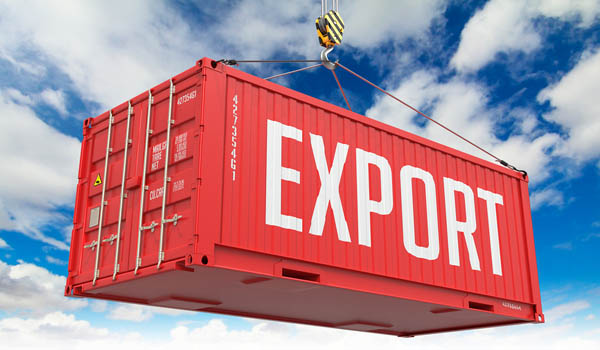
Pakistan’s Ministry of Commerce has announced a new export incentive package aimed at boosting the international competitiveness of small and medium industries, particularly in textiles, leather goods, and agricultural products. The scheme includes cash subsidies, streamlined export licensing, and reduced documentation fees to help exporters access global markets more efficiently. Officials said the move is designed to increase foreign exchange earnings, support domestic production, and create job opportunities across manufacturing hubs. Industry groups welcomed the announcement, noting that enhanced incentives could help local businesses overcome competitive challenges in the global trade environment.
Pakistan parliament debates new social media governance bill amid public concern

Pakistan’s parliament is currently engaged in discussions over a proposed social media governance bill aimed at strengthening oversight of online platforms and user content. Lawmakers from both government and opposition benches raised questions about balancing regulation with free expression, as civil rights advocates urge clearer safeguards for privacy and digital speech. Supporters of the bill argue that updated rules are necessary to curb misinformation and online abuses, while critics warn of potential overreach that may stifle legitimate discourse. The ongoing debate reflects wider public interest in how digital platforms should be regulated in the rapidly evolving digital landscape.
Pakistan moves to accelerate economic reforms amid IMF-backed negotiations

Pakistan’s government has intensified efforts to push forward key economic reforms as part of ongoing engagements linked to international financial support. Senior officials confirmed that priority is being given to fiscal discipline, energy sector adjustments, and revenue expansion measures to stabilize the economy. Policymakers emphasized that the reform agenda aims to restore investor confidence, manage inflationary pressures, and ensure sustainable growth in the coming months. Analysts note that while the reform push signals seriousness to global partners, it also presents domestic challenges as authorities balance economic stabilization with public concerns over cost-of-living impacts.
European Union reaches deal on stricter digital privacy protections

The European Union has reached a landmark agreement on updated digital privacy protections that will impose stronger rules on how tech companies collect, store, and use personal data. Under the deal, platforms must provide clearer consent mechanisms, enhance transparency reports, and offer users greater control over their information. Lawmakers say the regulations aim to bolster consumer trust in digital services while protecting fundamental rights in an increasingly online world. Industry groups have expressed cautious support, noting that the framework could influence global privacy standards.
UN warns of rising global food insecurity due to ongoing conflicts

The United Nations has warned that global food insecurity is worsening as conflicts, supply chain disruptions, and economic pressures continue to affect vulnerable regions. According to the latest UN assessment, millions of people in parts of Africa, the Middle East, and Eastern Europe are facing reduced access to essential food supplies. The organization urged donor countries to increase humanitarian funding and called for immediate diplomatic efforts to stabilize conflict-affected areas to prevent a deeper global hunger crisis.
Qatar and France sign major cultural partnership agreement

Qatar and France have signed a new cultural partnership agreement to strengthen cooperation in the arts, education, and heritage preservation, aiming to enhance creative exchange between the two countries. The deal includes initiatives such as joint museum exhibitions, collaborative film and theatre projects, and academic programs that facilitate research and student exchanges. Officials from both nations emphasised the importance of cultural diplomacy in building mutual understanding and fostering global artistic collaborations, while leaders of participating institutions described the pact as a significant step toward long-term cultural engagement.
Pakistan government reviews new policy to revive local manufacturing sector

The Pakistani government has begun reviewing a new policy package aimed at reviving the country’s local manufacturing sector, with a focus on small and medium enterprises. Officials said the proposed measures include tax relief, easier access to bank credit, and reduced import duties on raw materials to support domestic production. Business leaders welcomed the move, stating that consistent policy support could help create jobs and reduce reliance on imports. Economic analysts note that the success of the initiative will depend on effective implementation and political stability in the coming months.