

Pakistan’s cinema and television industry is experiencing a notable resurgence, with filmmakers, producers, and writers focusing on high-quality content that resonates with both domestic and international audiences. Recent projects include innovative films, socially relevant dramas, and digital web series that explore contemporary issues while maintaining cultural authenticity. Production houses are investing in modern filming techniques, visual effects, and post-production facilities to enhance storytelling quality. Officials and industry insiders emphasized the importance of collaborative talent development programs, film festivals, and international screenings to boost visibility and global engagement. Analysts noted that growing audience interest, coupled with increased support from streaming platforms, is fostering creativity and providing opportunities for emerging actors, directors, and writers, thereby strengthening Pakistan’s entertainment ecosystem and elevating its position on the regional media landscape.
Pakistan Strengthens Urban Infrastructure to Support Growing Population
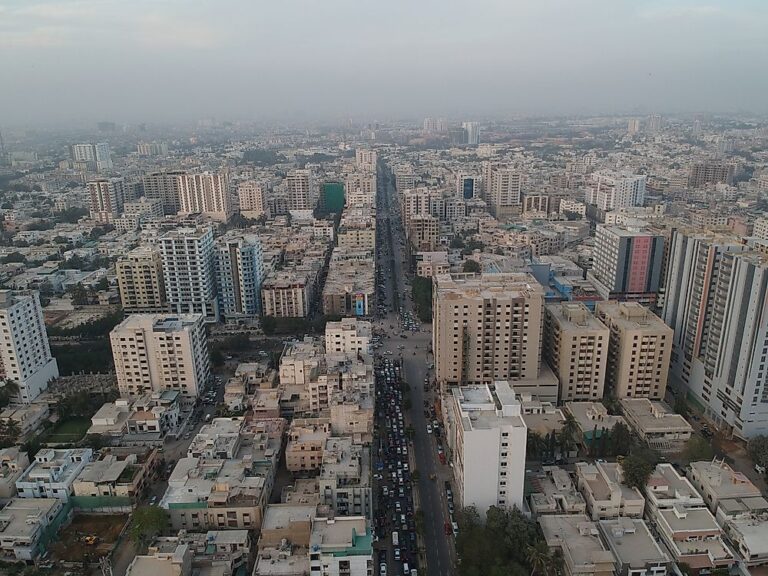
Pakistan has stepped up efforts to strengthen urban infrastructure in major cities to accommodate the demands of a rapidly growing population and to improve quality of life. Recent initiatives focus on expanding road networks, modernizing public transport systems, upgrading water and sanitation facilities, and enhancing electricity distribution efficiency. Authorities emphasized the importance of integrating smart city technologies, disaster-resilient planning, and environmentally sustainable practices into urban development projects. Experts noted that rapid urbanization has increased pressure on housing, transport, and public services, making comprehensive planning essential. Analysts believe that these infrastructure improvements, combined with effective governance and community engagement, will not only facilitate economic growth but also improve social well-being and create a more livable urban environment across Pakistan.
Pakistan Intensifies Sports Development Efforts Ahead of Major International Events
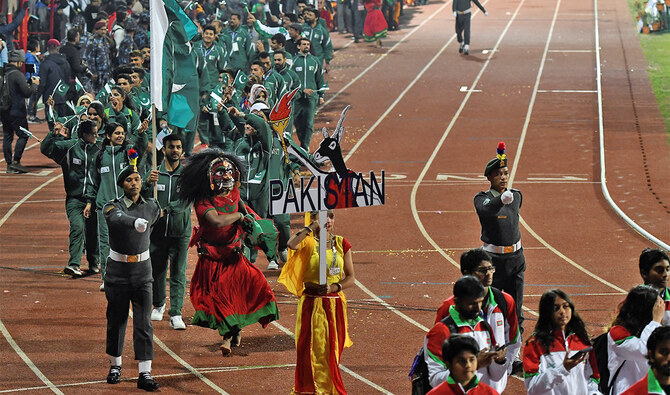
Pakistan has intensified its sports development efforts as athletes and federations prepare for a series of major international competitions across multiple disciplines. Recent initiatives focus on improving training facilities, expanding high-performance camps, and strengthening sports science support, including fitness conditioning, nutrition, and injury management. Sports authorities are placing greater emphasis on talent identification at the grassroots level while increasing exposure through overseas tours and joint training programs to help athletes adapt to global competition standards. Analysts noted that consistent international participation, professional coaching structures, and better governance are crucial for improving performance outcomes. Experts believe that sustained investment in sports infrastructure and athlete development will enhance Pakistan’s competitiveness on the world stage and contribute to long-term growth of its sports ecosystem.
Pakistan Focuses on Economic Stabilization and Structural Reforms to Support Growth

Pakistan has intensified efforts toward economic stabilization and structural reforms as policymakers work to manage inflation, strengthen foreign exchange reserves, and support sustainable growth. Recent measures focus on fiscal discipline, energy sector reforms, tax base expansion, and improving governance to restore investor confidence and reduce long-standing economic pressures. Authorities have also emphasized the importance of international cooperation, trade engagement, and financial support mechanisms to stabilize the economy while protecting vulnerable populations through targeted social safety programs. Economic experts noted that improving export competitiveness, supporting small and medium enterprises, and addressing energy inefficiencies remain critical priorities. Analysts believe that consistent policy implementation, political stability, and continued reform momentum will be essential for Pakistan to achieve economic resilience and lay the groundwork for long-term development amid a challenging global environment.
Yemen’s parties to exchange prisoners
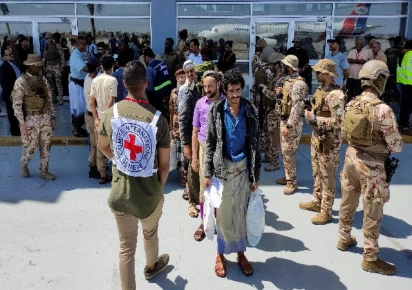
Yemen’s Houthi rebels and its internationally recognised government agreed Tuesday to a prisoner swap involving nearly 3,000 people, including seven Saudis — making it the largest such exchange in 11 years of war should it succeed.
The breakthrough deal came after nearly a fortnight of discussions between officials from both sides in Muscat, the capital of neighbouring Oman, a key mediator in Yemen’s long-running conflict.
Officials gave few details about the next steps, but observers pressed both sides to follow through to bolster peace efforts.
Abdulqader al-Mortada, a negotiator with the Houthi delegation, said in a statement on X that “we signed an agreement today with the other party to implement a large-scale prisoner exchange deal involving 1,700 of our prisoners in exchange for 1,200 of theirs, including seven Saudis and 23 Sudanese”.
Saudi Arabia’s ambassador to Yemen, Mohamed AlJabir, said his country worked with the UN on the agreement, signed under the auspices of the world body and the International Committee of the Red Cross (ICRC).
Woman in UK-Pakistan crime ring jailed after £8.5m heroin haul found at home
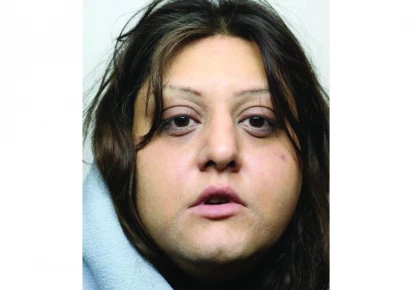
A 34-year-old woman from Bradford, Sidrah Nosheen, has been sentenced to 21 years and six months in prison after £8.5 million worth of heroin was found at her home.
According to the BBC, Nosheen, part of an organised crime group, was arrested in June 2024. National Crime Agency (NCA) officers discovered heroin hidden in various locations within her house, including clothing delivered to her, bags, a wallpaper pasting table, and even tools and scales.
During the raid on Nosheen’s home on Woodside Road in Wyke, officers found plastic-wrapped clothing and remnants of processed packaging. Hundreds of phone messages to an accomplice in Pakistan were also uncovered, detailing plans to distribute heroin across the UK.
Further investigation revealed that Nosheen had handled multi-kilo drug consignments and had collected £250,000 for the group on one occasion. Nosheen had been set to stand trial, but changed her plea, admitting conspiracy to supply and import heroin.
Rick MacKenzie, an NCA officer, said, “To outward appearances, Sidrah Nosheen lived an unremarkable life in Bradford.”
“But the truth is, she was at the centre of a plot to move large amounts of heroin around the country, dealing in the addiction and death that are inseparable from the Class A drugs trade,” he added.
Bradford Crown Court sentenced Nosheen for conspiracy to supply and import heroin on Tuesday.
Mr MacKenzie said Nosheen “didn’t give a second’s thought to the damage heroin wreaks on society, she was solely interested in making money”.
LHC stays proceedings on Punjab property law, refers petitions to larger bench
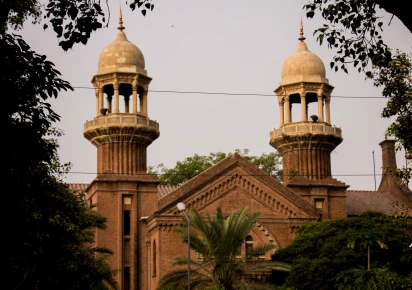
The Lahore High Court on Wednesday issued stay orders on all petitions related to the Punjab Property Ordinance and referred the matter to a larger bench.
The court also issued notices to the Punjab government and other respondents, seeking their replies. It asked for records of the proceedings of the committees formed under the law.
The petitions, including one filed by citizen Mushtaq Ahmed, were heard by Chief Justice Alia Neelum.
On Dec. 22, the court had suspended the implementation of the ordinance. It recommended the formation of a full bench to hear objections and ordered the restoration of possession of properties seized under the law.
The Punjab Property Ownership Ordinance was passed last month to curb land grabbing across the province.
Under the law, a District Dispute Resolution Committee is set up in each district. The committee is headed by the deputy commissioner and includes the district police officer, the additional deputy commissioner (revenue) and other officials.
The committee is empowered to summon records, hold hearings and take immediate administrative steps to protect property.
Complaints are to be decided within 90 days. A one-time extension of another 90 days may be granted with the approval of the commissioner.
The law requires parties to appear in person. Lawyers are generally not allowed to represent them.
During Wednesday’s hearing, Assistant Advocate General Waqas Umar appeared for the Punjab government.
The chief justice questioned whether possession was being granted with the consent of both parties.
“If both parties had agreed, why would possession petitions come to the High Court?” she asked.
The court also questioned the applicable rules under which the committees are functioning.
The assistant advocate general replied that the rules have not yet been framed.
“The rules under which proceedings are to be conducted have not yet been made,” Chief Justice Neelum observed.
The court noted that a para force has been authorised to assist the government in enforcing possession orders.
However, it observed that under Section 8 of the law, the committees do not have the authority to take possession of property.
The court directed the Punjab government to submit answers to these questions before the larger bench.
“What does the law say, and if the committees are functioning…” the chief justice remarked.
The court noted that despite being shown civil court orders, the committees were reportedly refusing to comply.
The Lahore High Court reiterated that stay orders remain in place on all related petitions.
Punjab Chief Minister Maryam Nawaz criticised the court’s earlier decision to suspend the ordinance. She accused the court of aiding land mafias by halting the law.
Responding to the suspension of the Punjab Protection of Ownership of Immovable Property Act 2025, she said the law was meant to help millions of citizens.
The court, however, raised what it described as serious questions requiring careful examination.
It asked what motivated the executive to vest unchecked powers in certain individuals, what purpose the ordinance served, and why it was enacted.
Pakistan shifts from stabilisation to export-led growth, says finance minister
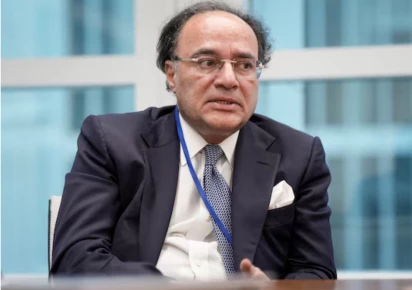
Federal Minister for Finance and Revenue Senator Muhammad Aurangzeb said Pakistan has reached a critical turning point, with macroeconomic stability, sustained reforms and policy continuity restoring confidence and shifting the economy toward export-led growth.
He said the transition is opening new opportunities for domestic and global investors and positioning the country for sustainable, long-term economic growth.
Aurangzeb expressed these views in a wide-ranging interview conducted a few weeks ago and published this week by USA Today. The interview appeared in a special 16-page publication titled “Pakistan Special Report.”
The report includes commentary, articles and expert views on Pakistan’s economy, investment opportunities and key policy priorities.
In the interview, Aurangzeb said Pakistan has entered fiscal year 2025 from a position of renewed strength. He cited macroeconomic stability, improving external balances and a firm commitment to structural reform.
He said that for the first time in several years, Pakistan has achieved both a primary fiscal surplus and a current account surplus. He described this as a decisive break from a cycle of recurring deficits.
Strong remittance inflows, he said, played a key role in the turnaround. Inflation has fallen sharply from a peak of 38% to single-digit levels.
Foreign exchange reserves have risen to more than $14.5 billion, providing about two and a half months of import cover. The exchange rate has remained stable, helping restore investor confidence.
Aurangzeb said macroeconomic stabilisation is only the foundation and that sustainable growth remains the main challenge. He noted that last year’s economic growth of 2.7%, while positive, is not enough to meet the needs of a rapidly growing population.
He said Pakistan is moving away from a consumption- and debt-driven growth model toward an export-led strategy. The current budget, he said, reflects this shift.
Aurangzeb pointed to structural reforms in taxation, energy pricing and state-owned enterprises. He also highlighted tariff reforms aimed at dismantling decades of protectionism and improving global competitiveness.
He said Pakistan is aligning its strategy with changing global demand. He identified information technology services, textiles and agricultural exports as key growth areas.
Aurangzeb said IT exports have crossed $4 billion and could double within five years with regulatory clarity and better infrastructure. He said steps are being taken to simplify tax regimes for exporters and reduce bureaucratic hurdles.
On broader reforms, he said privatisation of state-owned enterprises, tariff liberalisation and energy sector restructuring aim to fix long-standing inefficiencies that have burdened public finances.
He said the reforms reflect a longer-term vision, echoing the World Bank’s assessment of Pakistan’s potential “East Asia moment.”
Aurangzeb referred to the World Bank’s 10-year Country Partnership Framework, the first of its kind for Pakistan. He said it focuses on economic reform, climate resilience and population management.
On climate risks, he said Pakistan is working with multilateral partners to improve preparedness for more frequent floods and droughts.
He acknowledged ongoing risks, including global commodity price shocks, external debt pressures and political uncertainty. Still, he said the government remains committed to reforms despite geopolitical and domestic challenges.
Aurangzeb said discipline, consistency and international cooperation are essential to protecting recent gains.
Highlighting investment opportunities, he pointed to agriculture, minerals and mining, and the digital economy as priority sectors.
He cited Pakistan’s agricultural potential, the strategic importance of the Tethyan Copper Belt in Balochistan, and growing interest in data centres, artificial intelligence and digital services.
Aurangzeb said regulatory frameworks are being updated to support innovation and attract foreign investment, especially from the United States. He described technological change as a major game-changer for Pakistan.
He invited global investors and partners to engage with Pakistan through trade, investment and collaboration.
He said Pakistan is moving from a narrative of crisis management to one of opportunity and transformation, driven by reform momentum, economic potential and its natural strengths.
Influencers join as showstoppers at ‘Bridal Couture Week’ and the internet is divided

HUM Bridal Couture Week took place in Lahore this week, but discussions this season extended beyond the collections to the people chosen for the final walk. Alongside film and television celebrities such as Saba Qamar and Mawra Hocane, for the first time, high-profile content creators Ken and Jannat Mirza have also appeared as showstoppers for major designers. This has prompted debate on social media over whether these roles should go to trained runway models or to public figures who draw large online audiences.
Critics argue that fashion week’s purpose is to spotlight garments and craftsmanship, and that trained models are better equipped to maintain that focus. Content creators as ‘showstoppers’ lack runway experience and shift attention away from the outfits through inconsistent performances.
One commenter wrote: “Maybe let models do their job professionally and influencers can carry on doing what they do… Fashion weeks have been ruled flawlessly by models for years and there’s no need of untrained non-professionals there I believe.”
Another user framed the issue as a departure from what fashion week traditionally represented, writing: “Bridal couture has never been about drama and such engagement. That’s the point, we have lost the essence of what it used to be… And yes it is about clothes, we wanna know what’s trending, what’s new.”
Others focused less on who is cast and more on how the job is executed. “Whoever is doing the job just DO IT RIGHT! stop stumbling, kathak-ing, and strolling their way on the ramp. Unpracticed walks sabotage their outfits,” wrote one user, adding that “it’s about professionalism vs absolute embarrassment.”
On the other side of the discussion, supporters argue that influencers are often chosen for their reach and visibility, which can extend a designer’s audience beyond the runway. In a widely shared comment, model Saheefa Jabbar Khattak wrote that the space should be “respectfully accepted,” saying content creators “generate real revenue” and that “all of them are entrepreneurs in their own right, they’ve built brands, businesses, and long-term careers.” The comment also referenced international examples of creators appearing in mainstream entertainment and brand campaigns.
Some creators have also responded to the tone of the conversation. Content creator Ken, who walked the runaway for Vestido1: “trust me all models were so supportive and helping each other behind stage, no one hates on each other… it’s the public who creates that issues,” adding that “top models like Abeer and Aimal helped me to fix my jacket last minute.”
Traditionally, the showstopper has often been a celebrity, intended to create a moment and draw attention to the designer rather than demonstrate technical runway skill. As fashion weeks evolve alongside digital culture, the same logic can extend to influencers, provided that visibility does not come at the cost of professionalism. Ultimately, the conversation points less to who walks last, and more to the need for proper training and respect for the craft, regardless of the face chosen to lead the finale.
Shadab set for Pakistan comeback in Sri Lanka T20Is
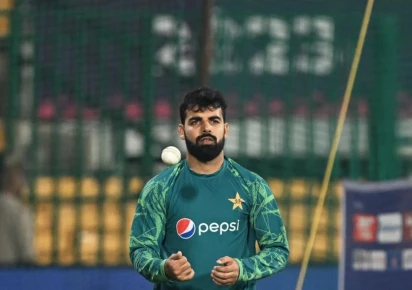
The Pakistan Cricket Board (PCB) is expected to announce the national squad for the upcoming tour of Sri Lanka in the first week of January, with the selection committee currently engaged in detailed consultations over player combinations and workload management.
Pakistan and Sri Lanka are scheduled to play a three-match T20I series on January 7, 9 and 11 at Dambulla, and selectors have already begun deliberations to finalise a balanced squad for the tour.
One major development to emerge from these discussions is the near-certain return of leg-spinner Shadab Khan, who is set to make his comeback to the national side.
Shadab, who has been sidelined due to fitness concerns in recent months, has regained full fitness and impressed with his performances in the ongoing Big Bash League (BBL). His all-round abilities and experience in T20 cricket are expected to play a key role in Pakistan’s plans against Sri Lanka, particularly with an eye on the upcoming ICC Men’s T20 World Cup.
Meanwhile, several senior Pakistan players have been granted No Objection Certificates (NOCs) to complete their full commitments in the Big Bash League. These include Shaheen Shah Afridi, Babar Azam, Haris Rauf, Mohammad Rizwan and Hasan Ali, all of whom will remain in Australia for the duration of the BBL season.
As a result, the selectors are considering a number of young and emerging players for the Sri Lanka tour. Among the names under discussion are promising performers Abdul Samad and Maaz Sadaqat, along with other domestic and league standouts who have impressed with consistent performances in recent months.
The series is likely to serve as an opportunity to test bench strength and broaden Pakistan’s T20 player pool ahead of major global events.
In addition to preparations for the Sri Lanka series, the PCB faces another important deadline. Pakistan must submit a preliminary squad list for the T20 World Cup before January 6.
This initial list can be revised until February 1, allowing selectors some flexibility as they assess form and fitness closer to the tournament.
India and Sri Lanka have already announced their squads for the T20 World Cup, increasing pressure on Pakistan to finalise its plans in a timely manner.
The upcoming Sri Lanka tour is therefore seen as a crucial step in shaping Pakistan’s World Cup combination, particularly in identifying reliable all-rounders and backup options.
With selection meetings ongoing and key decisions imminent, the official squad announcement is expected shortly.